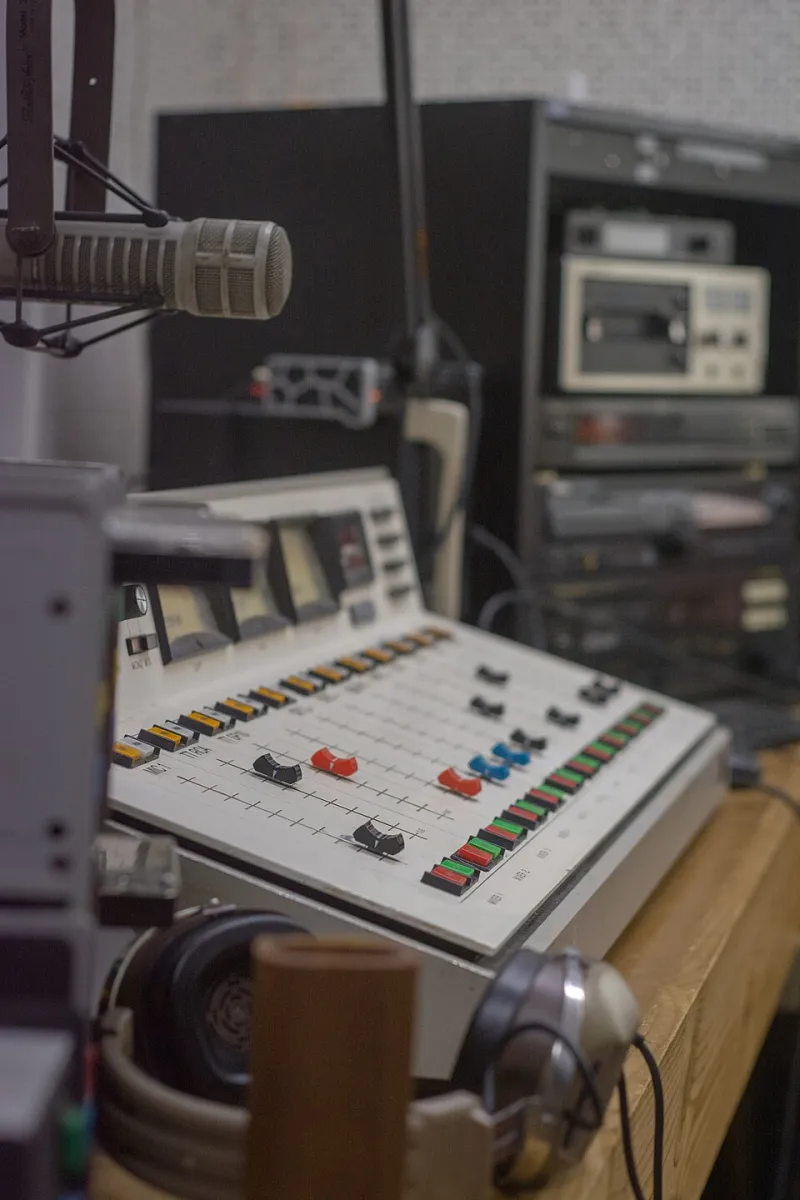
Five Bits So Good They Outlived the Hosts Who Made Them
Some radio segments start as filler and end up as language. We trace five recurring bits that hardened into ritual — and what they teach anyone holding a microphone today.
Category
18 articles
Some radio segments start as filler and end up as language. We trace five recurring bits that hardened into ritual — and what they teach anyone holding a microphone today.

Aspiring hosts keep sanding off everything that makes them sound like themselves. That's the mistake. Here's why the imperfect, regional, unpolished voice is the one that wins in 2025.
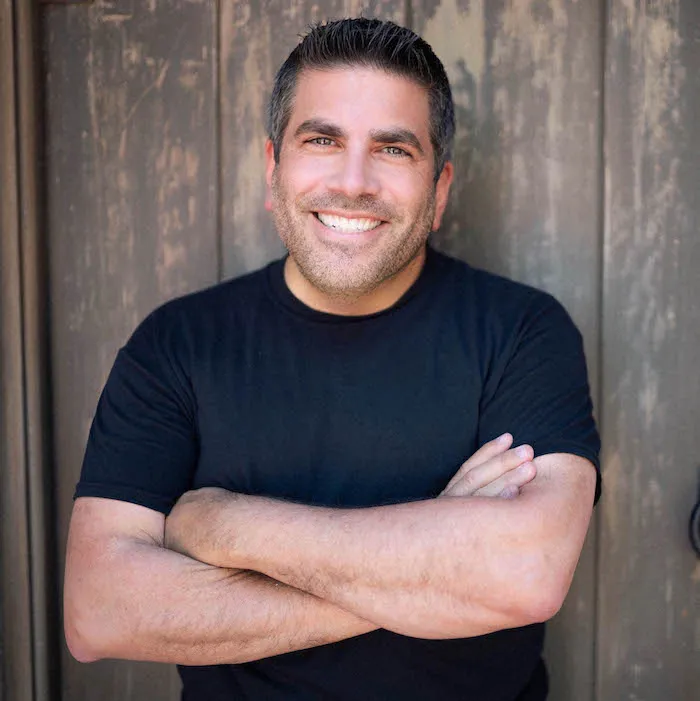
Listeners don't need a fact-checker to smell something off about a voice on the air — they need about ten seconds. We dig into the vocal tells, the AI giveaways, and why a little imperfection might be the most valuable thing a host can own.

The ad spot has been declared dead a dozen times over, and yet it keeps paying the bills. A look at what listeners really do when the commercials hit — and why the smartest stations stopped treating breaks as interruptions at all.

The seven-second delay, the screener's greeting, the classic intro — call-in radio runs on rituals older than most of its listeners. Some are dying, some are thriving, and one might be the last trust signal left in audio.
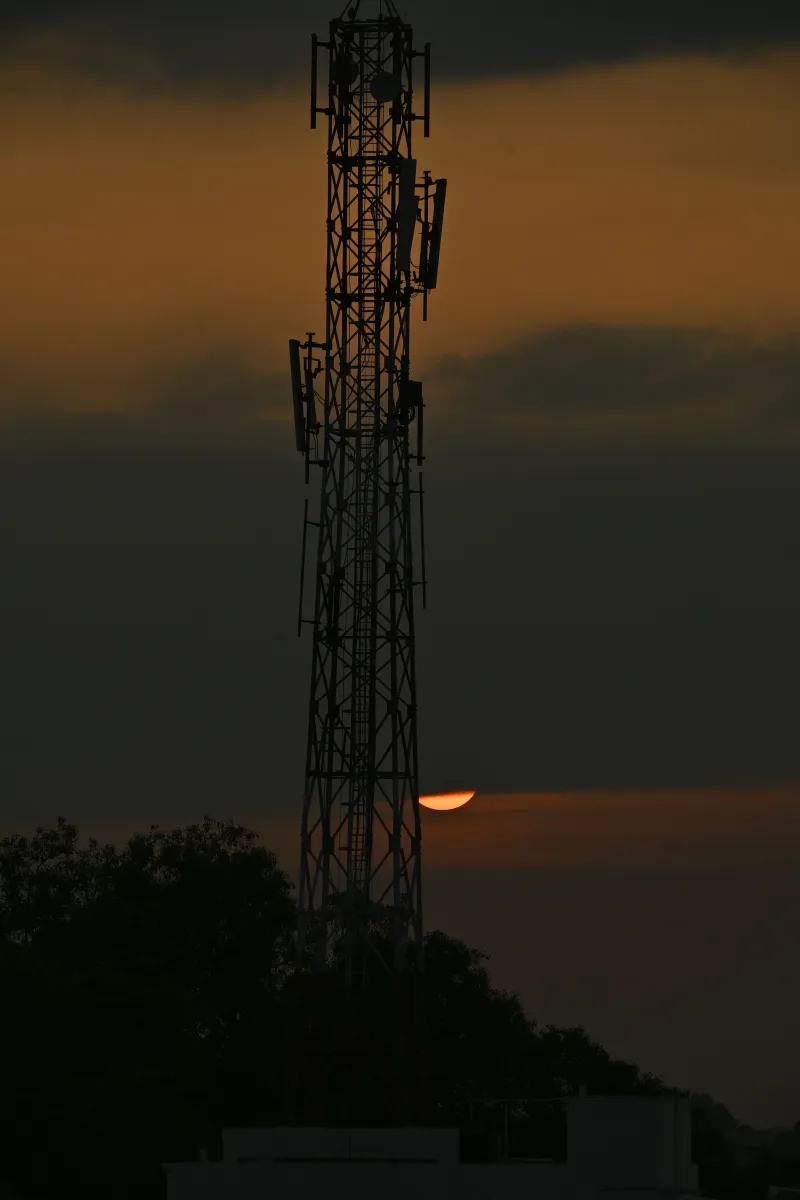
National podcasts own the charts, but the station covering the school board fight owns the town. A case that the next great opportunity in talk audio isn't reaching everyone — it's mattering somewhere.
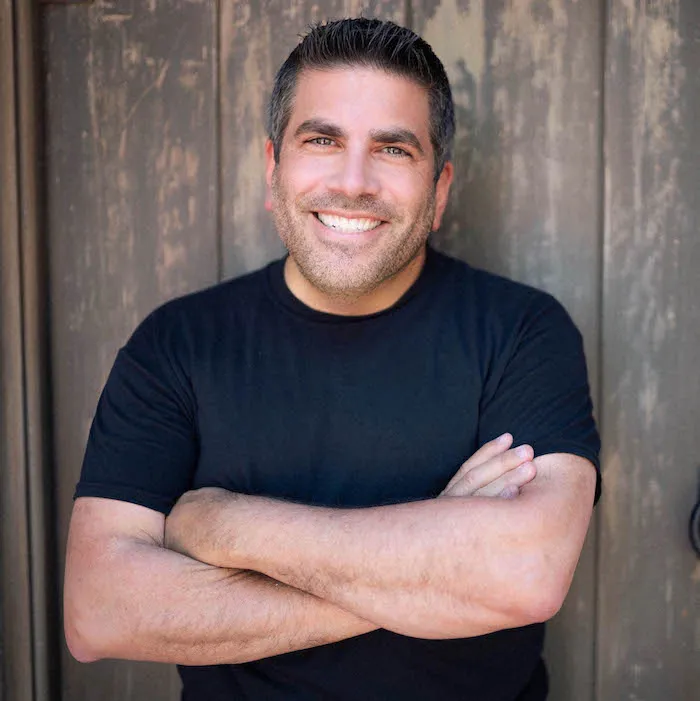
When a talk radio host tells you they personally use a mattress, a financial service, or a meal kit delivery app, something different happens in your brain than when a TV commercial plays. Advertisers have known this for decades — and they've built entire brand strategies around it.
Talk radio hosts can't see their audience, but the best ones — and the teams behind them — have built surprisingly sophisticated systems for reading the room anyway. From call volume spikes to social sentiment shifts, here's how stations tune into listeners without ever asking a single direct question.

Talk radio is built around the idea of participation, but the vast majority of listeners never pick up the phone. Who are these people, what are they getting out of it, and what does their silence actually mean? The answer might reshape how we think about the medium entirely.

Before any caller reaches your favorite host, they go through a screener — someone whose job is to listen, filter, and decide in seconds. What that role does to a person over time is something the industry rarely talks about. We asked the people who've lived it.
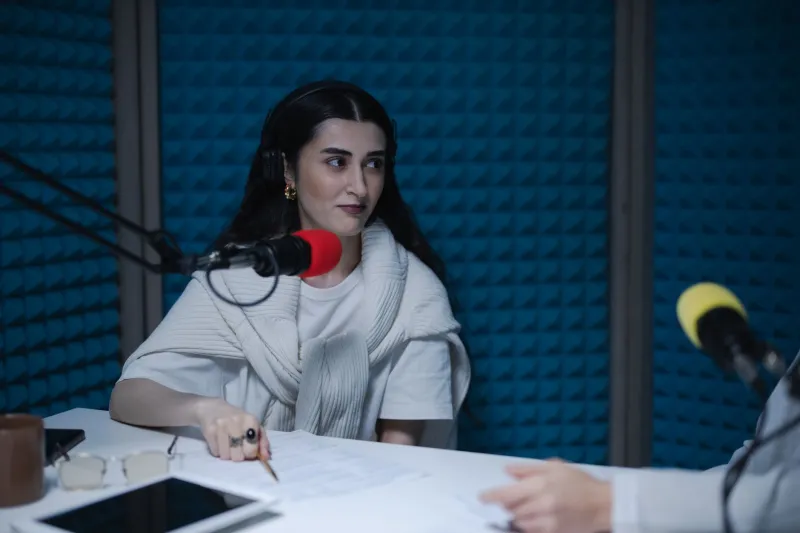
The best radio interviews don't follow a plan — they follow a feeling. When hosts ditch their prep sheets and lean into genuine curiosity, something electric happens that no amount of scripting can manufacture. Here's why listeners can always tell the difference.
Somewhere between midnight and 3 AM, millions of Americans are calling into talk radio shows not for sports scores or political debate — but because they genuinely have nowhere else to turn. It's a phenomenon that's reshaping what we expect from radio hosts, and raising some serious questions about what happens when entertainment bleeds into emotional care.
There's something about a voice in the dark that makes people spill their guts. Researchers and radio hosts alike are trying to figure out exactly why listeners open up to someone they've never met — and what it says about the strange, powerful intimacy that audio creates.

There's something about a voice in the dark that loosens people up in ways no other medium can. Late-night radio has quietly become America's most unexpected confessional booth — and the science behind it is genuinely fascinating.
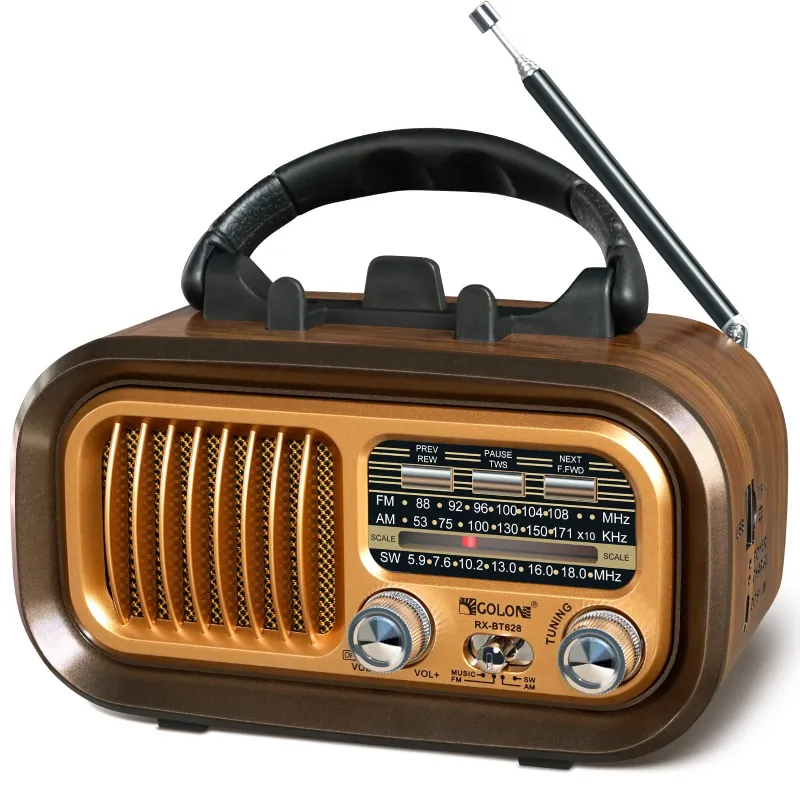
In a world where you can queue up any podcast episode at any hour, millions of Americans are still glued to live call-in radio—waiting, watching, wondering what's going to come through that line next. There's a psychology to that pull, and it's more fascinating than you might think. We dug into what makes the unpredictable so irresistible.

Millions of Americans tune in daily to voices they've never met, yet feel deeply known by. The psychology behind parasocial bonds in talk radio and podcasting reveals something surprising — and a little unsettling — about how we're wiring ourselves for connection in the modern age.

In a media landscape built on outrage and echo chambers, long-form talk radio and podcast discussions are quietly doing something radical — letting people with different views actually finish a sentence. We talked to hosts, listeners, and communication researchers about why audio might be America's best shot at rediscovering how to disagree without combusting.
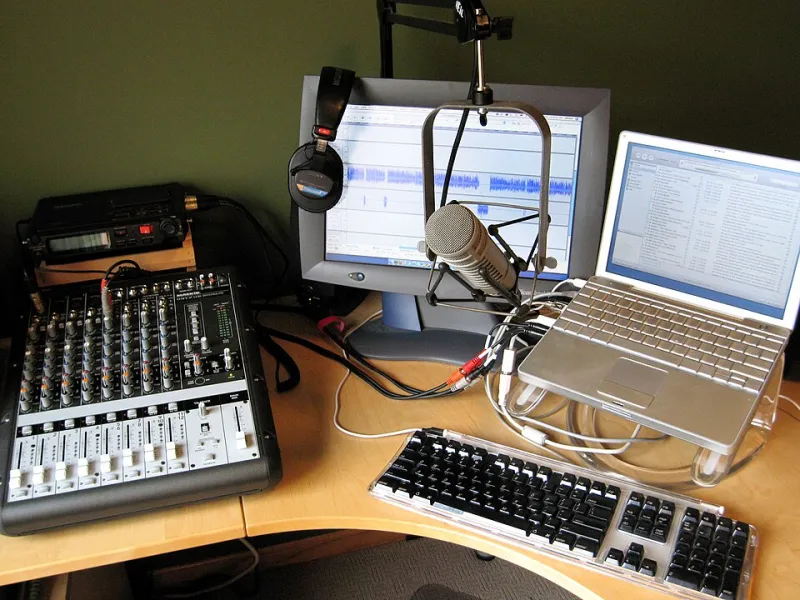
In an era when your phone knows what you want to hear before you do, something unexpected is happening: Americans are actively seeking out conversations they can't predict. Talk radio and podcast networks are booming not despite the rise of algorithmic content — but because of it. Here's why the pendulum is swinging back toward real voices.